
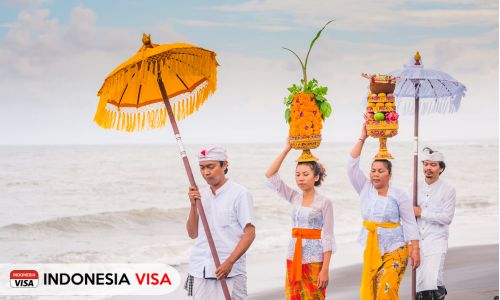
Indonesia’s Hidden Rituals: From Nyepi to Sekaten
Indonesia’s cultural rituals, steeped in tradition and spirituality, offer a profound glimpse into the nation’s diverse heritage, with ceremonies like Nyepi and Sekaten showcasing its unique blend of faith and community.As a global tourism hotspot, Indonesia welcomed over 15 million visitors in 2024, many drawn to its vibrant cultural tapestry, per official tourism data. Beyond Bali’s beaches and Jakarta’s skyline, the archipelago’s lesser-known rituals Nyepi, Sekaten, and others reveal the soul of its 300+ ethnic groups. These ceremonies, rooted in Hindu, Islamic, and indigenous traditions, are more than spectacles; they’re living expressions of identity and belief.For travelers in 2025, experiencing these rituals offers a deeper connection to Indonesia’s culture, while updated visa policies make access easier. Below, we explore the essence of Nyepi, Sekaten, and other hidden rituals, their significance, and practical tips for respectful participation, alongside visa guidance for a seamless journey. Nyepi, Bali’s Hindu New Year, is a 24-hour period of silence, fasting, and reflection, typically observed in March (March 10–11, 2025). Unlike festive New Year celebrations elsewhere, Nyepi shuts down the island no work, travel, or noise to cleanse the spirit and honor Saka calendar traditions. Nyepi reflects Balinese Hindu philosophy of self-reflection and harmony with nature. By pausing daily life, it fosters spiritual renewal and environmental rest, aligning with Bali’s eco-tourism push. It’s a UNESCO-recognized intangible heritage, emphasizing Bali’s unique Hindu-Buddhist traditions.Sekaten is a week-long Javanese Islamic festival in Yogyakarta and Surakarta, celebrating the Prophet Muhammad’s birthday (Maulid Nabi, typically late September 2025). It blends spirituality with cultural festivities, centered around the royal kratons (palaces). Sekaten merges Islamic devotion with Javanese mysticism, dating back to the 15th-century Demak Sultanate. It fosters community unity and honors royal heritage, with the Yogyakarta Kraton leading grand celebrations. The festival reflects Java’s syncretic culture, blending Islam with local traditions.
Pro Tip: Book tours through local cultural agencies like Bali Arts Centre or Yogyakarta’s Kraton office for authentic, guided experiences.

Nyepi: Bali’s Day of Silence
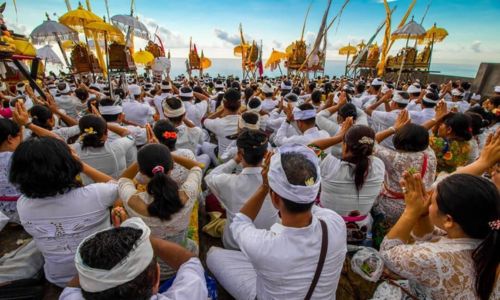 Nyepi, Bali’s Hindu New Year, is a 24-hour period of silence, fasting, and reflection, typically observed in March (March 10–11, 2025). Unlike festive New Year celebrations elsewhere, Nyepi shuts down the island no work, travel, or noise to cleanse the spirit and honor Saka calendar traditions. Nyepi reflects Balinese Hindu philosophy of self-reflection and harmony with nature. By pausing daily life, it fosters spiritual renewal and environmental rest, aligning with Bali’s eco-tourism push. It’s a UNESCO-recognized intangible heritage, emphasizing Bali’s unique Hindu-Buddhist traditions.
Key Features
- Silence and Stillness: From 6 AM to 6 AM the next day, Balinese stay indoors, avoiding lights, sounds, and activities. Airports, roads, and businesses close, with Pecalang (local patrols) ensuring compliance.
- Ogoh-Ogoh Parade: The night before Nyepi (Pengerupukan), communities parade giant, colorful demon effigies, symbolizing the expulsion of evil spirits, followed by burning.
- Rituals: Pre-Nyepi includes Melasti (beach purification) and Tawur Agung Kesanga (offerings to neutralize negative forces).
Where to Experience
- Ubud: Join Ogoh-Ogoh parades in central Ubud or temple ceremonies at Pura Taman Saraswati.
- Sanur: Witness Melasti processions along the beach, vibrant with offerings and prayers.
- Village Temples: Smaller villages like Tabanan offer authentic, less touristy experiences.
Sekaten: Java’s Islamic Festival
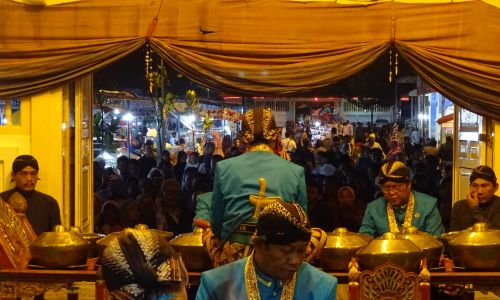 Sekaten is a week-long Javanese Islamic festival in Yogyakarta and Surakarta, celebrating the Prophet Muhammad’s birthday (Maulid Nabi, typically late September 2025). It blends spirituality with cultural festivities, centered around the royal kratons (palaces). Sekaten merges Islamic devotion with Javanese mysticism, dating back to the 15th-century Demak Sultanate. It fosters community unity and honors royal heritage, with the Yogyakarta Kraton leading grand celebrations. The festival reflects Java’s syncretic culture, blending Islam with local traditions.
Key Features
- Gamelan Sekaten: Sacred gamelan sets, played only during this festival, fill the air with hypnotic melodies, drawing crowds to mosque courtyards.
- Pasar Malam (Night Market): Vibrant markets offer food, crafts, and games, creating a carnival-like atmosphere.
- Gunungan Procession: Towering offerings of rice and produce are paraded, then distributed as blessings, symbolizing gratitude.
Where to Experience
- Yogyakarta Kraton: Main Sekaten events at Alun-Alun Utara, including gamelan performances and processions.
- Masjid Gede Kauman: Nightly prayers and cultural shows near the mosque.
- Surakarta (Solo): Smaller but equally vibrant Sekaten at Kasunanan Palace.
Respectful Participation Guidelines
These rituals are sacred, so approach them with respect:| Do | Don’t |
|---|---|
| Wear modest attire (sarong/sash for Nyepi, long clothing for Sekaten). | Avoid loud behavior or disrupting rituals, especially during Nyepi’s silence. |
| Ask locals or guides about ceremony schedules and etiquette. | Don’t touch sacred items (e.g., Ogoh-Ogoh effigies, Sekaten offerings). |
| Support communities by buying local crafts or donating at events. | Avoid flash photography during spiritual moments or prayers. |
| Use phrases like “Om Swastiastu” (Bali) or “Assalamualaikum” (Java) to greet respectfully. | Don’t enter restricted temple/mosque areas without permission. |
Visa Options for Cultural Immersion
To attend these rituals, choose the right visa for 2025:| Visa Type | Duration | Cost | Purpose |
|---|---|---|---|
| A1 Visa Exemption | 30 days, non-extendable | Free | Short cultural trips (160+ nationalities) |
| Visa on Arrival (VoA) | 30 days, extendable once for 30 | Rp 500,000 | Tourism, festival attendance |
| E30 Visa (Non-Formal Education) | 1–2 years | Rp 6M–8.5M | Cultural studies (e.g., gamelan, rituals) |
| Limited Stay Visa (VITAS) | Up to 2 years, renewable | Varies | Long-term cultural engagement |
- Application Process: Apply via evisa.imigrasi.go.id with a guarantor, passport (6+ months validity), proof of funds (USD 2,000+), and photo.
- Key Update: Circular Letter No. IMI-41.GR.01.01 of 2025 (effective May 29, 2025) requires in-person extension visits to immigration offices (e.g., Denpasar, Yogyakarta). Book 2–3 weeks early to avoid overstays, risking fines or deportation.
- APOA Compliance: Stay at accommodations reporting via the APOA app to avoid Rp 25M fines.
Top 5 Tips for Experiencing Indonesia’s Rituals
- Plan Around Dates: Check 2025 calendars for Nyepi (March 10–11) and Sekaten (late September) to align your trip.
- Go Local: Engage local guides for temple visits or festival insights to avoid cultural missteps.
- Respect Traditions: Follow dress codes and stay mindful during sacred moments, like Nyepi’s silence or Sekaten’s prayers.
- Support Communities: Buy crafts or food at festival markets to contribute to local economies.
- Learn the Stories: Understand Nyepi’s cleansing purpose or Sekaten’s Islamic roots to deepen your appreciation.
Why These Rituals Matter
Nyepi, Sekaten, and other rituals are the heartbeat of Indonesia’s cultural diversity, preserving traditions amid modernization. They connect travelers to spiritual and communal values, from Bali’s Hindu introspection to Java’s Islamic-Javanese synergy. With 2025’s visa updates and sustainable tourism focus, Indonesia invites you to witness these ceremonies respectfully, supporting local heritage.Indonesia’s hidden rituals are a journey into its cultural soul. By engaging thoughtfully, you’ll carry home memories of a vibrant, sacred archipelago.For a seamless cultural experience, INDONESIA VISA offers expert support with eVisa applications, stay permit extensions, and tailored cultural travel planning. Let us handle the details so you can immerse yourself in Indonesia’s ritual wonders.Related Reading
- Behind the Dance: Understanding Bali’s Legong and Barong Performances
- Cultural Festivals in Indonesia: What You Need to Know Before You Go
- Retiring in Bali: Cost of Living and Lifestyle Comparison by City

Indonesia Visa Specialist at Bali PAS
Bali-based expert in Indonesian document translation and visa consulting, with over 15 years of experience helping clients with legal paperwork and immigration matters
Latest posts by Hariyono Suwardi (see all)
- Global Citizen Indonesia: Policy, Benefits, Eligibility, Application, and Cost - August 27, 2026
- Indonesia Visa Free Countries List & Entry Rules 2026 - August 18, 2026
- Indonesia Digital Nomad Visa (E33G) Guide 2026 - August 17, 2026
