
Global Citizen Indonesia: Policy, Benefits, Eligibility, Application, and Cost
Global Citizen Indonesia Policy
Indonesia introduced the Global Citizen of Indonesia (GCI) policy as a new immigration pathway for foreign nationals who have strong connections to Indonesia. The policy was formally inaugurated by the Directorate General of Immigration on January 26, 2026, during the 76th Immigration Service Day.
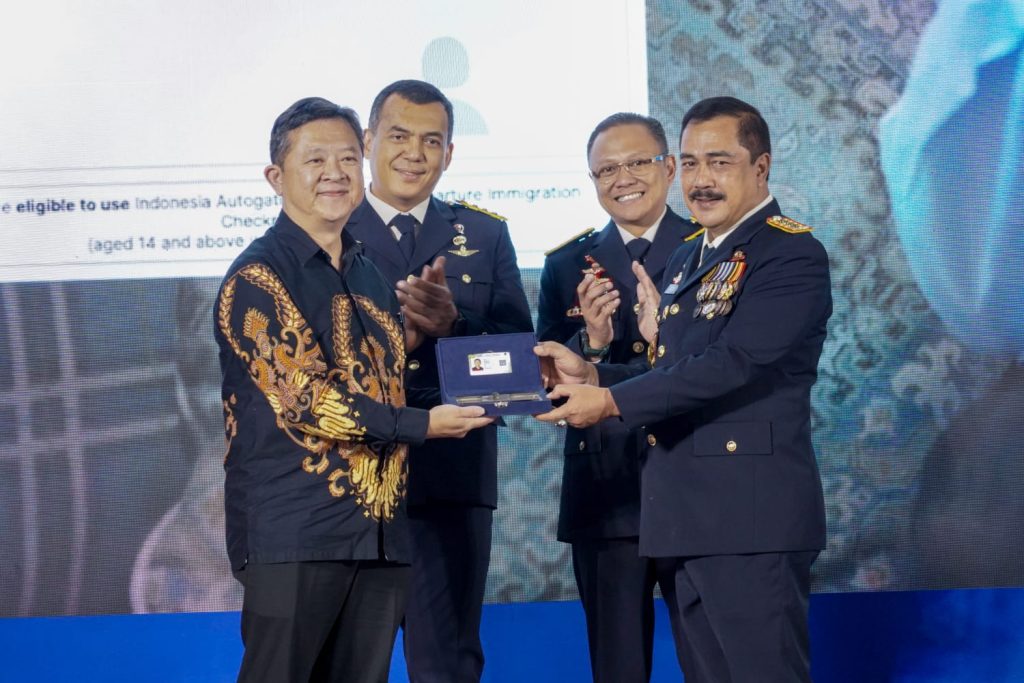
Under the policy, qualifying foreign nationals can obtain an indefinite Permanent Stay Permit. This means the residence status does not have a fixed end date, although GCI holders are required to report themselves to immigration authorities every five years.
The Indonesian government describes GCI as a policy intended to strengthen the relationship between Indonesia and its global diaspora. It provides a way for former Indonesian citizens and people with qualifying family or historical ties to Indonesia to live in the country without having to give up their current foreign citizenship.
The policy is also closely connected to Indonesia’s long-running issue of dual citizenship. Indonesia maintains the principle of single citizenship for adults.
Rather than creating a dual citizenship system, GCI provides a residence-based solution that allows eligible foreign nationals to maintain their foreign nationality while establishing a permanent legal connection with Indonesia.
As Acting Director General of Immigration Yuldi Yusman explained, GCI is intended to address the dual citizenship issue while maintaining Indonesia’s sovereignty in nationality law.
The policy also creates opportunities for diaspora communities and individuals with special ties to Indonesia to contribute to national development.
GCI Is Not Indonesian Citizenship
Despite the word Citizen in its name, Global Citizen of Indonesia does not grant Indonesian citizenship.
A GCI holder remains a foreign national and continues to use their foreign passport. The status is an immigration residence permit, not a naturalization process.
Therefore, GCI does not provide the political rights reserved for Indonesian citizens, such as voting rights or eligibility for positions legally restricted to Indonesian nationals.
This distinction is particularly important for members of the Indonesian diaspora who have acquired citizenship in another country.
GCI allows them to maintain their existing citizenship while gaining the ability to live permanently in Indonesia under Indonesian immigration law.
What Is Global Citizen Indonesia?
Global Citizen of Indonesia is an immigration pathway that provides indefinite permanent residence to eligible foreign nationals with qualifying ties to Indonesia.
The program recognizes that a person’s relationship with Indonesia can continue even after they become a citizen of another country.
For example, a former Indonesian citizen may still have family, cultural, professional, or historical connections to Indonesia even though they now hold a foreign passport.
GCI therefore focuses on the relationship between the applicant and Indonesia rather than simply looking at financial investment.
The official GCI visa categories include:
- E32E – Permanent resident repatriation for former Indonesian citizens.
- E32F – Special expertise repatriation for former Indonesian citizens.
- E32G – Permanent resident descendant visa for descendants of former Indonesian citizens.
- E32H – Special expertise descendant visa.
- E31A – Foreign spouse joining an Indonesian citizen.
- E31B – Foreign spouse joining a holder of a qualifying Indonesian residence permit.
- E31C – Child from a legally recognized mixed marriage involving an Indonesian citizen.
These categories demonstrate that GCI is broader than a single diaspora visa. The program combines repatriation, ancestry, special expertise, and family reunification pathways under the GCI framework.
Global Citizen Indonesia vs Golden Visa Indonesia
GCI and the Golden Visa Indonesia are sometimes confused because both can provide long-term residence in Indonesia. However, they were created for different purposes.
| Aspect | Global Citizen of Indonesia | Golden Visa Indonesia |
|---|---|---|
| Primary target | Diaspora, former Indonesian citizens, descendants, and qualifying family members | Investors, global talent, second-home applicants, and other qualifying foreign nationals |
| Main policy objective | Strengthen ties with Indonesia and facilitate diaspora participation | Attract investment and economic contribution |
| Residence period | Indefinite | 5 or 10 years, depending on category |
| Reporting | Self-report every five years | Subject to the conditions of the Golden Visa |
| Citizenship | Does not grant Indonesian citizenship | Does not grant Indonesian citizenship |
The Directorate General of Immigration specifically states that GCI emphasizes diaspora and national ties, while Golden Visa focuses on investment and direct economic contribution. Golden Visa holders receive a five- or ten-year residence period that can be extended, whereas GCI provides an indefinite stay permit.
Benefits of Global Citizen Indonesia
For people who qualify, the main advantage of GCI is the ability to establish a long-term or permanent residence in Indonesia without changing their foreign citizenship.
1. Indefinite Permanent Residence
The most significant benefit is the indefinite Permanent Stay Permit (ITAP). Unlike many Indonesian residence permits that have a fixed validity period, GCI provides permanent residence without a fixed expiry date.
GCI holders must still comply with Indonesian immigration rules and report themselves every five years, but they do not have to repeatedly renew a fixed-term residence permit in the same way as many other long-term visa holders.
2. Keep Your Existing Foreign Citizenship
GCI does not require an eligible applicant to become an Indonesian citizen. This is particularly relevant to diaspora members who have already acquired citizenship in another country.
The policy therefore provides a middle ground: an eligible person can live permanently in Indonesia while continuing to hold their foreign citizenship.
3. A Dedicated Pathway for the Indonesian Diaspora
Before GCI, former Indonesian citizens and their descendants had to rely on other immigration pathways depending on their circumstances. GCI creates a dedicated framework specifically recognizing Indonesian heritage and diaspora connections.
The government has also highlighted the potential contribution of diaspora members through international networks, professional expertise, knowledge sharing, and other forms of non-financial contribution.
4. Family Reunification
GCI also provides pathways for qualifying family members. This can include foreign spouses of Indonesian citizens, children from qualifying mixed marriages, spouses of certain residence permit holders, and family members joining GCI holders under the family reunification framework.
Importantly, applicants under the family reunification scheme are not subject to the same immigration guarantee requirement imposed on certain former Indonesian citizen and descendant categories.
5. Special Expertise Pathway
GCI is not based exclusively on ancestry or financial capacity. There are also categories for former Indonesian citizens and descendants who possess special expertise.
For these applicants, the government states that an investment commitment is not required in the same way as the standard repatriation or descendant routes. Instead, the applicant may need an invitation or statement of urgency from the central government acting as guarantor.
Who Is Eligible to Apply for Global Citizen Indonesia?
GCI is not an immigration program available to every foreign national who wants to live in Indonesia. Eligibility is based on specific relationships with Indonesia.
1. Former Indonesian Citizens
Foreign nationals who previously held Indonesian citizenship may qualify under E32E, the permanent residence repatriation category.
This is particularly relevant to former WNI who later became citizens of another country but want to return to Indonesia and establish permanent residence.
2. Descendants of Former Indonesian Citizens
Descendants of former Indonesian citizens up to the second degree may qualify under the GCI framework.
Applicants in this category need to demonstrate their family relationship with the former Indonesian citizen through appropriate civil or family documents.
3. Foreign Spouses of Indonesian Citizens
A foreign national who is legally married to an Indonesian citizen may qualify under E31A.
The applicant must generally demonstrate the legal marriage relationship and provide supporting identity and family documentation.
4. Foreign Spouses of Qualifying Residence Permit Holders
Foreign spouses of certain Indonesian residence permit holders may qualify under E31B. This category is designed to facilitate family reunification where one spouse already has a qualifying residence status in Indonesia.
5. Children From Qualifying Mixed Marriages
Children resulting from a legally recognized marriage between an Indonesian citizen and a foreign national may qualify under E31C, subject to the applicable documentation and immigration requirements.
6. Applicants With Special Expertise
Former Indonesian citizens and qualifying descendants with strategic or special expertise may apply through E32F or E32H.
These categories are intended for individuals whose professional knowledge or expertise may provide value to Indonesia. A government invitation or statement of urgency is part of the requirements for the special expertise route.
Who May Be Excluded?
Having Indonesian ancestry does not automatically guarantee eligibility.
The published GCI requirements also contain exclusion provisions for certain foreign nationals, including people from countries or territories covered by specific restrictions, individuals involved in separatist activities, and certain foreign government, intelligence, or military personnel.
Because these exclusions can be highly specific, applicants should assess their individual circumstances against the latest requirements for the relevant GCI visa category before applying.
How to Apply for Global Citizen Indonesia
The GCI application is submitted online through Indonesia’s electronic visa system. The relevant GCI visa indexes are E31A, E31B, E31C, E32E, E32F, E32G, and E32H.
Step 1: Identify Your GCI Category
Before starting the application, determine which category matches your circumstances.
For example, a former Indonesian citizen would generally look at E32E, while a qualifying descendant would generally look at E32G. Applicants applying through the special expertise route should determine whether E32F or E32H applies.
Step 2: Prepare Supporting Documents
The exact documentation depends on the selected visa category. Applicants may need documents such as:
- Valid passport.
- Recent photograph.
- Proof of former Indonesian citizenship.
- Birth certificates or family documents proving Indonesian ancestry.
- Marriage certificate or other evidence of a legal family relationship.
- Curriculum vitae for relevant categories.
- Proof of income or financial capacity where required.
- Investment or immigration guarantee documentation where applicable.
- Government invitation or guarantee for special expertise categories.
Documents proving Indonesian ancestry should clearly establish the relationship between the applicant and the relevant former Indonesian citizen. Depending on the case, this may include birth certificates, family cards, marriage certificates, former Indonesian passports, identity documents, or other official records.
Step 3: Submit the Application Online
Applicants submit the GCI application through Indonesia’s official electronic visa system. The application should use the correct GCI index and contain information that is consistent across the passport and supporting documents.
Errors in names, dates, family relationships, or supporting documentation can create delays, so applicants should carefully check their application before submission.
Step 4: Receive the GCI E-Visa
Once the application has been approved and the applicable immigration fee has been paid, the applicant receives the GCI e-Visa.
Step 5: Enter Indonesia and Receive the ITAP
One of the most distinctive features of GCI is what happens after arrival. According to the Directorate General of Immigration, within 24 hours after entering Indonesia, a GCI e-Visa holder will receive an indefinite Permanent Stay Permit (ITAP) without having to visit an immigration office.
The GCI e-Visa is integrated with Indonesia’s border-crossing system, including autogates and manual immigration counters. Applicants who intend to use the autogate are required to complete the All Indonesia arrival declaration before arriving in Indonesia.
Step 6: Complete the Five-Year Reporting Requirement
Although the GCI residence permit is indefinite, holders are still required to report themselves to immigration every five years. This reporting requirement should not be confused with renewing the underlying permanent residence status.
How Much Does Global Citizen Indonesia Cost?
The total cost of GCI depends on the applicant’s category because the program combines government immigration fees with different financial requirements.
Government Visa Fee
Current information from the GCI e-Visa listing reports a government visa fee of approximately Rp34.8 million for the GCI options shown in the system. This figure should be checked directly in the official e-Visa portal at the time of application because government fees and portal configurations can change.
There may also be other costs associated with document preparation, such as certified translations, document legalization, courier services, or professional assistance. These are separate from government immigration fees.
Financial Requirement for Former WNI and Descendants
For former Indonesian citizens and descendants using the applicable GCI routes, the government requires evidence of minimum income of approximately US$1,500 per month or US$15,000 per year.
Certain categories also require an immigration guarantee in the form of a financial commitment. Depending on the category, this may be fulfilled through instruments such as Indonesian government bonds, shares of publicly listed Indonesian companies, mutual funds, or deposits.
The published GCI information indicates that the financial commitment can be different depending on the applicant’s relationship to the former Indonesian citizen. For example, the current e-Visa information reports a minimum commitment of approximately US$5,000 for former Indonesian citizens, while descendant categories can have higher requirements depending on the degree of descent.
In certain cases, qualifying property ownership can also be used to satisfy the immigration guarantee requirement, subject to the applicable rules.
The Immigration Guarantee Can Be Refundable
The immigration guarantee should not automatically be treated as a non-refundable visa fee. The Directorate General of Immigration states that the guarantee can be withdrawn or returned if the GCI holder ends their stay or changes their residence status, subject to the applicable conditions.
Family Reunification Does Not Require the Same Guarantee
Applicants using the family reunification scheme, including qualifying spouses of Indonesian citizens, children from mixed marriages, and spouses of GCI holders, are not subject to the immigration guarantee requirement described for former Indonesian citizens and descendant categories.
This makes GCI particularly relevant for international families with a legal connection to Indonesia, because the program is not structured solely around an investment threshold.
GCI Special Expertise Route
Applicants under the special expertise categories can also be treated differently from standard repatriation and descendant applicants. The Directorate General of Immigration states that special expertise applicants do not need the same investment commitment, but they require proof of income and an invitation or statement of urgency accompanied by a guarantee from the central government.
For anyone considering Global Citizen of Indonesia, the most important point is that there is no single “GCI cost” that applies to everyone. The final financial requirement depends on the visa index, family relationship, expertise category, government fees, and any applicable immigration guarantee.
Because GCI is a relatively new immigration policy, applicants should always verify the latest requirements and fees before submitting an application. The official Indonesian immigration system should be treated as the final reference for the applicable visa category and payment amount.
If you need assistance understanding your eligibility, preparing documents, or navigating the Indonesian visa application process, IndonesiaVIsas.id can help you explore the appropriate Indonesian visa pathway and application requirements. This can be especially useful for former Indonesian citizens, descendants, mixed-nationality families, and other foreign nationals who are considering Global Citizen of Indonesia but are unsure which category applies to their situation.
Related Reading
- What Is the Diaspora Visa in Indonesia? Eligibility and Application Process
- A Comprehensive Guide to the C6 Visa in Indonesia: What You Need to Know
- https://indonesiavisas.id/visa/family-visa

- Global Citizen Indonesia: Policy, Benefits, Eligibility, Application, and Cost - August 27, 2026
- Indonesia Visa Free Countries List & Entry Rules 2026 - August 18, 2026
- Indonesia Digital Nomad Visa (E33G) Guide 2026 - August 17, 2026
