
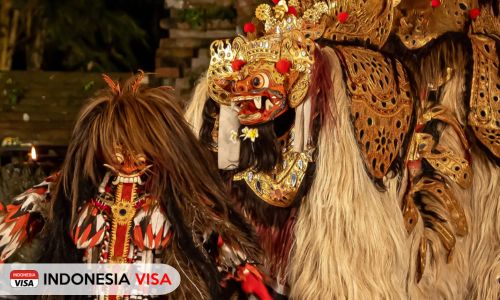
Behind the Dance: Understanding Bali’s Legong and Barong Performances
Bali’s Legong and Barong dances, steeped in cultural and spiritual significance, are iconic expressions of the island’s rich heritage, captivating travelers with their intricate movements and mythical storytelling. Bali, a global hub for cultural tourism, welcomed over 5 million visitors in 2024, many drawn to its vibrant performing arts, according to official tourism data. Among these, Legong and Barong stand out as timeless dances that blend grace, mythology, and spirituality.Performed at temples, festivals, and tourist venues, these dances offer a window into Bali’s Hindu traditions and artistic legacy. For travelers in 2025, understanding the stories, symbolism, and cultural context behind Legong and Barong enhances the experience, while visa updates make it easier to immerse in Bali’s cultural scene. Below, we explore the essence of these dances, their significance, and practical tips for enjoying them responsibly, alongside visa guidance for a seamless visit.
Pro Tip: Book through local agencies or cultural centers like Bali Arts Centre for authentic performances, avoiding overly commercialized shows.

The Essence of Legong Dance
What Is Legong?
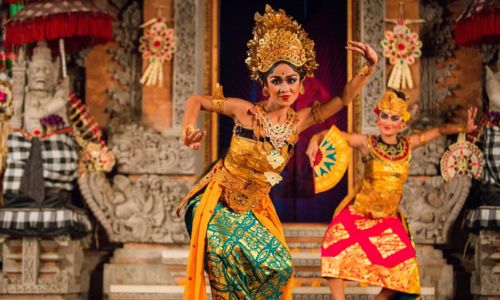
Legong is a classical Balinese dance characterized by delicate movements, expressive gestures, and intricate costumes. Traditionally performed by young girls trained from childhood, it embodies grace and storytelling, often depicting tales from Hindu epics or Balinese folklore.- Movements: Precise footwork, fluid hand gestures (mudras), and expressive eye movements convey emotions and narratives.
- Costumes: Elaborate gold-painted headdresses (gelungan), vibrant sarongs, and layered accessories symbolize divine beauty.
- Music: Accompanied by a gamelan orchestra, with metallophones and gongs creating a hypnotic rhythm.
- Stories: Common narratives include the tale of Princess Rangkesari from the 12th-century Lasem kingdom or mythological love stories.
Where to Watch
- Ubud Palace: Nightly performances at 7:30 PM, showcasing Legong Keraton (palace style).
- Pura Dalem Ubud: Temple shows blending Legong with other dances, starting at 7 PM.
- Bali Arts Festival (June–July 2025): Annual event in Denpasar featuring top Legong troupes.
The Power of Barong Dance
What Is Barong?
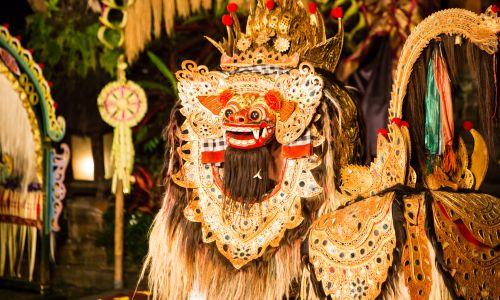
Barong is a dynamic dance-drama portraying the eternal battle between good (Barong, a lion-like mythical creature) and evil (Rangda, a demon queen). Rooted in Balinese Hindu mythology, it’s both a performance and a spiritual ritual.- Characters: Barong, a shaggy, benevolent beast, battles Rangda, a fearsome witch with long nails and a fiery tongue.
- Kris Dance: Performers wielding kris daggers, often in a trance, enact the struggle, symbolizing balance.
- Costumes: Barong’s ornate mask, moved by two dancers, contrasts Rangda’s terrifying visage.
- Music: Fast-paced gamelan music heightens the drama, with drums driving the battle scenes.
Where to Watch
- Batubulan Village: Daily Barong performances at 9:30 AM, known for authentic storytelling.
- Pura Taman Pule, Mas: Temple shows during ceremonies, offering an immersive experience.
- Ubud Monkey Forest: Evening performances combining Barong with kecak chants.
Cultural Context and Respectful Engagement
Both dances are more than performances—they’re sacred expressions of Balinese Hindu philosophy. Here’s how to engage respectfully:| Do | Don’t |
|---|---|
| Wear modest clothing (sarong, sash) at temple shows, covering shoulders and knees. | Avoid touching dancers or sacred props like Barong masks, considered spiritually charged. |
| Stay silent during performances, especially trance scenes in Barong. | Don’t walk in front of performers or block temple areas during ceremonies. |
| Support local troupes by purchasing tickets or donating at temple events. | Avoid flash photography, which disrupts dancers and the spiritual atmosphere. |
| Learn basic phrases like “Om Swastiastu” (greeting) to show respect. | Don’t interrupt rituals or ceremonies to ask questions; wait for guides to explain. |
Visa Options for Cultural Exploration
To immerse in Bali’s dance culture, choosing the right visa is key. Here’s a 2025 guide:| Visa Type | Duration | Cost | Purpose |
|---|---|---|---|
| A1 Visa Exemption | 30 days, non-extendable | Free | Short cultural trips (160+ nationalities) |
| Visa on Arrival (VoA) | 30 days, extendable once for 30 | Rp 500,000 | Tourism, attending cultural events |
| E30 Visa (Non-Formal Education) | 1–2 years | Rp 6M–8.5M | Cultural studies (e.g., Balinese dance courses) |
| Limited Stay Visa (VITAS) | Up to 2 years, renewable | Varies | Long-term cultural immersion, volunteering |
- Application Process: Apply via evisa.imigrasi.go.id with a guarantor, passport (6+ months validity), proof of funds (USD 2,000+), and photo.
- Key Update: Circular Letter No. IMI-41.GR.01.01 of 2025 (effective May 29, 2025) requires in-person extension visits to immigration offices in Denpasar or Singaraja. Book 2–3 weeks early to avoid overstays, risking fines or deportation.
- APOA Compliance: Stay at accommodations reporting via the APOA app to avoid Rp 25M fines.
Why Legong and Barong Matter
These dances are more than spectacles—they’re living traditions preserving Bali’s spiritual and cultural identity. Legong’s elegance and Barong’s intensity reflect the island’s balance of beauty and power, connecting visitors to its Hindu roots. With 2025’s visa updates and eco-tourism push, Bali invites travelers to engage deeply, supporting local artists and sustainable tourism.Legong and Barong offer a vibrant journey into Bali’s soul. By respecting their cultural weight and planning your visit wisely, you’ll experience the island’s heritage in its purest form.For a seamless cultural adventure, INDONESIA VISA provides expert support with eVisa applications, stay permit extensions, and tailored cultural travel planning. Let us handle the details so you can lose yourself in Bali’s dance traditions.Related Reading
- Indonesia’s Hidden Rituals: From Nyepi to Sekaten
- Cultural Festivals in Indonesia: What You Need to Know Before You Go
- From Application to Arrival: Student Visa Timeline for International Students

Indonesia Visa Specialist at Bali PAS
Bali-based expert in Indonesian document translation and visa consulting, with over 15 years of experience helping clients with legal paperwork and immigration matters
Latest posts by Hariyono Suwardi (see all)
- Global Citizen Indonesia: Policy, Benefits, Eligibility, Application, and Cost - August 27, 2026
- Indonesia Visa Free Countries List & Entry Rules 2026 - August 18, 2026
- Indonesia Digital Nomad Visa (E33G) Guide 2026 - August 17, 2026
