
Indonesia’s New Government: Potential Shifts in Immigration and Visa Policies Under Prabowo’s Administration
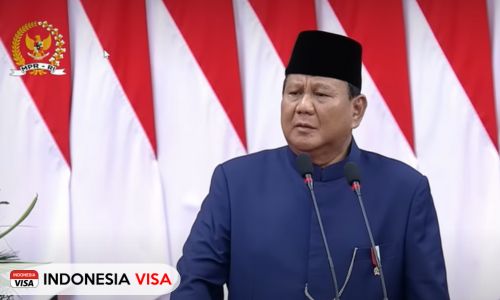
The recent inauguration of Prabowo Subianto as Indonesia’s president marks a potentially significant shift in the nation’s governance approach, particularly concerning immigration and visa policies. With a new administration taking the helm, notable changes in how Indonesia manages its borders and international visitors are expected.
Prabowo’s inaugural speech emphasized a “uniquely Indonesian” approach to governance, which could substantially influence future immigration policies. His vision of a more culturally aligned administrative system suggests that upcoming visa regulations might be crafted to reflect Indonesian values better while maintaining international standards.
One of the most anticipated changes could be in the tourism sector. The new government’s focus on a “polite and courteous” democratic system might translate into more streamlined and visitor-friendly visa processes, potentially making Indonesia more accessible to international travelers while maintaining necessary security protocols.
The administration’s emphasis on stability and harmony for business visas could lead to more structured and predictable application processes. This might benefit foreign investors and companies looking to establish operations in Indonesia, aligning with the government’s likely focus on economic growth and foreign investment.
New Minister for Immigration and Corrections: Agus Andrianto Takes the Helm
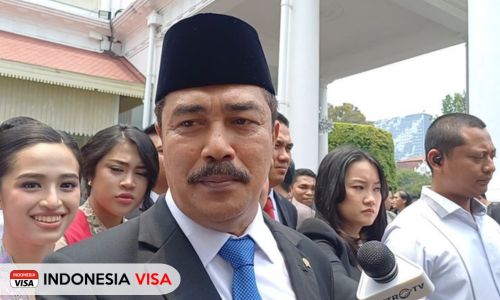
In a significant development for Indonesia’s Immigration and Correctional Systems, Agus Andrianto has been appointed Minister for Immigration and Corrections.
This newly created ministerial position represents a strategic restructuring of immigration and correctional services management.
Andrianto, with his extensive background in law enforcement as the former National Police Chief of Criminal Investigation, brings valuable experience to this dual-mandate role.
The ministry’s establishment reflects the government’s commitment to enhancing immigration services and correctional facility management under unified leadership.
Under Andrianto’s direction, the ministry is expected to implement comprehensive reforms that will modernize Indonesia’s immigration procedures while also improving the nation’s correctional system.
However, these potential changes must be viewed within Prabowo’s vision for a “controlled” democratic framework. This could mean stricter monitoring and regulation of long-term visa holders, with greater emphasis on compliance with local customs and regulations. The administration might implement more thorough screening processes while ensuring they remain fair and transparent.
Immigration policies under the new government are likely to reflect a balance between openness to international engagement and protection of national interests. The appointment of a new immigration minister will be crucial in determining the specific direction of these policies, though any changes are expected to align with Prabowo’s overall vision of a distinctly Indonesian approach to governance.
While concrete policy changes are yet to be announced, the business and expatriate communities should prepare for potential adjustments in visa requirements and procedures. These changes, whatever their nature, will likely aim to strengthen Indonesia’s position as both a tourist destination and a business hub while maintaining its cultural identity and national security interests.
As the new administration settles in, stakeholders in the international community will be watching closely for signs of how these policy shifts might affect their ability to visit, work, and invest in Indonesia. The coming months will be crucial in understanding the practical implications of Prabowo’s vision for Indonesia’s immigration system.
This transition period presents both opportunities and challenges for Indonesia’s immigration policy. The success of any new measures will depend on how well they balance the nation’s aspiration for a unique democratic identity with the practical needs of a globally connected economy.
Related Reading

- Global Citizen Indonesia: Policy, Benefits, Eligibility, Application, and Cost - August 27, 2026
- Indonesia Visa Free Countries List & Entry Rules 2026 - August 18, 2026
- Indonesia Digital Nomad Visa (E33G) Guide 2026 - August 17, 2026
