
How to Invest in Indonesian Property: Legal Insights for Foreigners
Understanding Indonesian Property Ownership for Foreigners
Indonesia’s property laws restrict foreigners from holding Hak Milik (freehold), reserved exclusively for Indonesian citizens, granting perpetual ownership of land and buildings. Instead, foreigners can access alternative titles and structures tailored to their needs, each with distinct benefits and limitations, ensuring legal control over property while aligning with Indonesia’s regulatory framework:
1. Land Titles and Ownership Rights
Hak Pakai (Right to Use)
This title allows foreigners to use land for residential or commercial purposes for an initial 25–30 years, extendable up to 80 years with approval from the National Land Agency (BPN). It’s ideal for personal homes, villas, or small businesses, with a maximum land size of 2,000 m² for residential properties. For example, in Bali’s Canggu or Ubud, Hak Pakai is popular for villa investments (USD 150,000–500,000), offering long-term security without ownership risks. The title requires a notarized agreement and BPN registration, ensuring legal clarity.
Hak Guna Bangunan (HGB, Right to Build)
This permits building on land for an initial 30 years, extendable to 80 years, and is commonly used for commercial projects like hotels or retail spaces. Foreigners can access HGB through a PT PMA (foreign-owned company), making it suitable for larger developments in Jakarta’s SCBD or Bali’s Seminyak. The title supports construction and operation but reverts to the state upon expiry unless extended.
Strata Title (Hak Milik Satuan Rumah Susun)
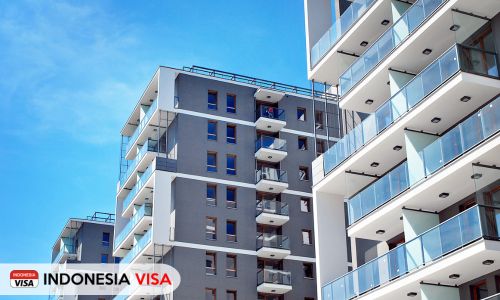
Foreigners can own condominium units, typically above the fourth floor, in urban centers like Jakarta or Surabaya, provided the building sits on HGB or Hak Pakai land. This is popular for investors targeting high-rise apartments in Jakarta’s Kuningan (starting at USD 100,000), offering a clear legal framework for ownership with transferable titles.
2. Legal Structures for Foreign Investment
Nominee Arrangement
Some foreigners use an Indonesian citizen to hold Hak Milik on their behalf via notarized agreements, a common but risky practice due to limited legal enforceability. The nominee legally owns the property, posing risks of disputes, so this is less recommended unless backed by robust legal safeguards.
PT PMA (Foreign-Owned Company)
Establishing a PT PMA allows foreigners to invest in HGB or leasehold properties for commercial purposes, such as hotels or co-working spaces. Under the Omnibus Law (Law No. 11 of 2020), 100% foreign ownership is permitted in certain real estate sectors, requiring a minimum investment of IDR 10 billion (USD 690,000) and registration via the OSS system (oss.go.id). This structure suits large-scale investors in emerging areas like Batam or Nusantara, Indonesia’s new capital.
Leasehold Agreements
A low-risk option, leaseholds allow foreigners to lease land or property for 25–70 years, renewable with mutual consent. Common in Bali for villas or commercial spaces, leases are secured through notarized contracts and offer flexibility without the complexities of ownership. For instance, a Canggu villa lease might cost USD 10,000–20,000 annually.
Key Considerations: Always verify land certificates with the BPN to avoid fraudulent titles, a known issue in Indonesia. Engage a trusted notary or lawyer to review contracts, ensuring no encumbrances or zoning violations, particularly for coastal properties in Bali, where environmental permits are strict. Costs include notary fees (1–2% of property value), 5% Land and Building Transfer Tax (BPHTB), 11% VAT for new properties, and annual property taxes (PBB, 0.5% of assessed value).
3. Key Regulations
Law No. 11 of 2020 (Omnibus Law)
This landmark legislation simplifies investment by allowing 100% foreign ownership in sectors like hospitality and commercial real estate via PT PMA, reducing bureaucratic hurdles and streamlining licensing through the OSS system.
Government Regulation No. 18 of 2021
Clarifies Hak Pakai eligibility for foreigners, including second-home purchases tied to the Golden Visa (E33), which offers 5–10 years of residency for property investments exceeding USD 130,000. This supports retirees or long-term investors in Bali or Jakarta.
Circular Letter No. IMI-41.GR.01.01 of 2025
Effective May 29, 2025, this mandates in-person visa extensions at immigration offices (e.g., Denpasar, Jakarta), impacting investors staying long-term. Book appointments 2–3 weeks early to avoid fines or deportation risks.
APOA Compliance
Properties or accommodations must be registered via the APOA app to avoid Rp 25M fines, crucial for investors leasing villas or apartments to tourists.
Pro Tip: Use a PPAT (land deed official) for all transactions to ensure legal compliance, and consult a tax advisor for obligations like PBB or income tax on rental properties (10–15% for non-residents).
Steps to Invest in Indonesian Property
Investing in Indonesia’s property market requires a structured approach to ensure compliance and maximize returns. Here’s a consolidated guide to the process, blending market research, legal steps, and financial planning:1. Research the Market and Choose a Location:
- Bali: High demand for villas in Canggu, Ubud, and Seminyak (leasehold: USD 150,000–500,000; Hak Pakai: USD 200,000–700,000). Popular for tourism-driven rental income, with annual yields of 5–10%.
- Jakarta: Strata title condos in SCBD or Kuningan (USD 100,000–300,000) attract professionals, offering stable urban investment.
- Emerging Areas: Batam and Nusantara provide lower entry points (USD 50,000–150,000) for commercial projects, supported by infrastructure growth.
Tip: Analyze rental yields and occupancy rates using platforms like Colliers Indonesia, and visit properties during Bali’s rainy season (November–March) to assess maintenance needs.
2. Select a Legal Structure and Conduct Due Diligence:
- Choose Hak Pakai for personal residences, leaseholds for flexibility, or PT PMA for commercial ventures. For example, a PT PMA is ideal for developing a co-working space in Jakarta, while a leasehold suits a Bali villa rental business.
- Verify land certificates with the BPN and check zoning regulations, especially for coastal or heritage areas. Hire a local lawyer to review contracts for encumbrances, ensuring compliance with environmental permits (e.g., Bali’s coastal setback rules).
- Cost: Legal fees: USD 1,000–3,000; due diligence reports: USD 500–1,500.
- Foreigners cannot access local bank mortgages, so plan for cash purchases or developer financing (common in Bali for villas). International loans or crowdfunding platforms (e.g., PropertyGuru) are viable for larger projects.
- Finalize agreements with a PPAT, who drafts and notarizes contracts. Pay taxes (5% BPHTB, 11% VAT) and register the title or lease with the BPN to secure your rights.
- Cost: Notary fees: 1–2% of property value; taxes: 5–16% of transaction value; BPN registration: USD 100–500.
- Tip: Budget for ongoing costs like maintenance (USD 1,000–5,000/year for villas) and PBB (0.5% of assessed value).
- Use a PPAT (land deed official) to draft and notarize agreements.
- Pay taxes: 5% Land and Building Transfer Tax (BPHTB) and 11% VAT for new properties.
- Register the property with BPN to secure your title or lease.
Visa Options for Property Investors
To live or manage your investment in Indonesia, securing the right visa is essential. Here’s a 2025 guide:| Visa Type | Duration | Cost | Purpose |
|---|---|---|---|
| E23 Golden Visa | 5–10 years | Varies (USD 350,000+ investment) | Property/business investment |
| VITAS (Limited Stay Visa) | Up to 2 years, renewable | Varies (Rp 6M–10M) | Long-term stay for property management |
| ITAS/KITAS | Matches VITAS, renewable up to 6 years | Varies (Rp 2M–5M extensions) | Residency post-VITAS |
| E33 Second Home Visa | 5–10 years | Varies | Property ownership (USD 130,000+ value) |
- Application Process: Apply via evisa.imigrasi.go.id with a guarantor, passport (6+ months validity), proof of funds (USD 2,000+), and property documents for investment visas.
- Key Update: Circular Letter No. IMI-41.GR.01.01 of 2025 (effective May 29, 2025) requires in-person extension visits to immigration offices (e.g., Denpasar, Jakarta). Book 2–3 weeks early to avoid overstays, risking fines or deportation.
- APOA Compliance: Stay at accommodations reporting via the APOA app to avoid Rp 25M fines.
Challenges and Mitigation Strategies
Investing in Indonesian property comes with hurdles:- Complex Ownership Laws: Foreigners face restrictions on freehold titles. Use Hak Pakai or PT PMA to comply legally.
- Fraud Risks: Fake land certificates are common. Verify titles through BPN and hire reputable notaries.
- Bureaucratic Delays: Licensing via OSS can be slow. Engage local consultants to expedite approvals.
- Market Volatility: Currency fluctuations affect returns. Hedge by investing in high-demand areas like Bali.
Practical Tips for Foreign Investors
- Hire Local Experts: Work with a trusted lawyer, notary, or agency like INDONESIA VISA to navigate legalities and visa requirements.
- Focus on High-Growth Areas: Target Bali’s Canggu or Jakarta’s SCBD for strong rental yields (6–10% annually).
- Understand Tax Obligations: Account for BPHTB, VAT, and PBB to avoid penalties.
- Secure Long-Term Visas: Opt for the Golden Visa or E33 for extended stays, ensuring flexibility to manage your investment.
- Join Investor Networks: Engage with KADIN or expat communities in Bali for market insights and partnerships.
Why Property Investment in Indonesia Matters
Indonesia’s property market offers high returns, driven by tourism (Bali welcomed 5 million visitors in 2024) and urban growth in Jakarta. Reforms like the Omnibus Law and visa options like the Golden Visa make 2025 an ideal time to invest. With proper legal navigation, foreigners can secure profitable assets in one of Asia’s most dynamic markets.Indonesia’s property sector blends opportunity with cultural richness, from Bali’s villas to Jakarta’s skyscrapers. By understanding legal frameworks and visa options, you can invest confidently and build lasting value.For a seamless investment journey, INDONESIA VISA offers expert support with eVisa applications, Golden Visa processing, and property-related compliance. Let us handle the paperwork so you can focus on growing your portfolio in Indonesia.Related Reading
- Freehold vs Leasehold in Bali: What You Need to Know
- Managing Finances in Indonesia: A Practical Guide for Expats and Remote Workers
- Emerging Business Sectors in Indonesia for 2025 Investors

- Global Citizen Indonesia: Policy, Benefits, Eligibility, Application, and Cost - August 27, 2026
- Indonesia Visa Free Countries List & Entry Rules 2026 - August 18, 2026
- Indonesia Digital Nomad Visa (E33G) Guide 2026 - August 17, 2026
