

How to Apply for a Business Domicile Certificate (SKDP) in Indonesia: A Step-by-Step Guide
Visa code update: The Investor KITAS, formerly indexes C313 and C314, is now classified under E28. See the investor visa page.
A Business Domicile Certificate known locally as SKDP (Surat Keterangan Domisili Perusahaan) is one of the fundamental documents required when establishing operations in Indonesia. Whether you’re setting up a PT, PT PMA, or preparing for business visas and KITAS in hubs like Bali, the SKDP functions as a legal proof of your company’s registered business address. It supports various downstream processes such as NPWP registration, SIUP/NIB licensing, and immigration compliance checks that rely heavily on verified corporate details.
While Indonesia’s Online Single Submission (OSS) system has integrated many permits into a single NIB, several regions including Bali continue to request SKDP as part of their verification procedures. Local authorities, banjar communities, and immigration offices may require physical address proof before approving business visa sponsorships, investor KITAS, or permit extensions. Having your SKDP ready ensures smoother administrative navigation and prevents the delays that often arise from incomplete address documentation.
Because requirements can vary between urban kelurahans in Denpasar and desa offices in Gianyar, applicants especially foreign-owned PT PMAs benefit from understanding the exact steps, documents, and community expectations involved. Issued by the kelurahan or desa, and validated by the camat, the SKDP also demonstrates that your business complies with zoning rules and maintains good rapport with its surrounding community an important aspect for long-term visas like KITAP.
Below is the streamlined, reader-friendly, and practical guide to securing your SKDP.

Key Steps to Obtain an SKDP
1. Prepare the Foundational Company Documents
Start by assembling core legal documents such as:
The akta pendirian (deed of establishment) legalized by the Ministry of Law and Human Rights
Company structure and shareholder details
For PT PMA: BKPM investment approvals
Your NPWP intent letter or draft tax registration
Multiple photocopies (and apostilles for foreign-origin documents) help avoid repeated submissions, especially in Bali where immigration and PTSP offices may retain extra copies.
2. Get the RT/RW Recommendation Letter
Indonesia’s community structure remains central to local administration. Obtain a brief endorsement letter from your RT/RW leaders, explaining your business purpose and location. This step signals your respect for community protocols—particularly important in Bali where local banjar involvement is more culturally integrated.
3. Collect Neighbor Consent Signatures
Next, gather signatures from at least three adjacent properties (front, left, right, or back) confirming that they have no objections to your business activities.
These forms usually include notes on:
Operational hours
Possible noise or traffic
Waste management plans
For businesses like cafés or export warehouses, this step helps ease concerns proactively.
4. Draft and Notarize the Application Letter
Create a formal application letter addressed to the Kepala Kelurahan or Kepala Desa, stating:
Your company name
Business address
Purpose of SKDP issuance
List of attached documents
Notarization strengthens credibility and prevents processing delays.
5. Prepare Proof of Address
You must provide legitimate proof of your business address:
For owned property: SHM certificate, IMB/building permit
For rentals: notarized lease agreement (minimum one year), landlord’s ID, and written consent
For virtual offices: ensure zoning is classified for commercial use and approved by local authorities
Utility bills or rental tax receipts further reinforce your claim.
6. Submit at the PTSP or Kelurahan/Desa Office
Bring originals and copies to the local PTSP or village office. Staff will verify completeness, input data into local systems, and schedule a follow-up if needed. In areas like Denpasar, some digital submissions through OSS may also be available.
7. Wait for Verification and Site Visit
A site visit typically occurs within 1–2 days, allowing officials to verify:
Address accuracy
Business signage
Feasibility with surrounding environment
Processing time generally ranges 3–8 working days, depending on region and workload.
8. Collect Your Signed SKDP
Once issued, pick up your stamped SKDP at the office. The certificate is generally valid for one year and can be renewed through similar procedures. Scan and store digital copies for inclusion in future licensing or visa applications.
Regional Variations to Keep in Mind (Especially in Bali)
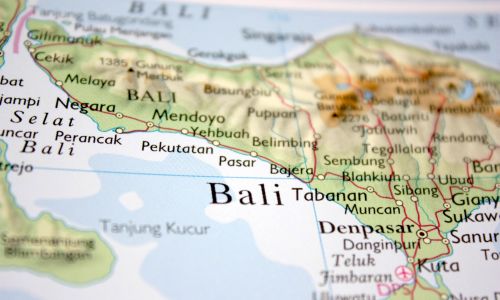
Bali has unique local dynamics that applicants must account for:
Badung Regency: SKDP may involve additional banjar meetings for high-traffic businesses like cafés or studios. Community contributions may be customary as a goodwill gesture.
Denpasar: More modernized PTSP processes—some cases are completed within 48 hours.
Gianyar and Ubud: Desa-level decisions can take longer due to manual inspections, especially for eco–tourism or artisan businesses.
For PT PMA applicants planning investor KITAS, ensure your SKDP matches the address stated in your akta pendirian to avoid delays during BKPM or immigration audits.
Typical Costs
While official government fees are generally free, practical expenses include:
Notary fees: IDR 1–2 million
Materai stamps: IDR 10,000 per sheet
Photocopies & admin: IDR 50,000
Transport and miscellaneous: IDR 100,000–200,000
Agents often charge IDR 3–5 million for handling the entire process—useful if you do not speak Indonesian or need support with immigration-related address documents.
Common Challenges and How to Avoid Them
Mismatched address details between lease agreements and the company deed
Neighbor objections, usually resolved through mediation or clearer explanations
Virtual office limitations, particularly for roles requiring physical inspections or KITAS sponsorship
Submission delays near holiday seasons in Bali, including Nyepi
Applying at least 3–6 months before your business launch ensures all related permits—including visas, tax filings, and NIB adjustments—remain aligned.
Securing an SKDP is more than fulfilling a legal formality it establishes the foundation of your business presence in Indonesia. From facilitating visa sponsorships to enabling smooth licensing and banking processes, an accurate and compliant business address sets the stage for long-term operational success. In regions like Bali, where community relations and regulatory layers are distinct, the SKDP becomes a valuable anchor that helps your enterprise blend seamlessly into its local ecosystem.
If you want expert assistance navigating SKDP requirements especially when combined with business visas, KITAS applications, or corporate compliance—professional support can significantly reduce stress and processing time. Many companies rely on INDONESIA VISA for integrated support across these documents, ensuring every step aligns with both national and regional regulations.
Related Reading
- How to Register Your Address and Residence Legally as an Expat in Indonesia
- How to Register Your Address Legally as an Expat in Indonesia
- Address Change Notification Rules for KITAS & KITAP Holders

- Global Citizen Indonesia: Policy, Benefits, Eligibility, Application, and Cost - August 27, 2026
- Indonesia Visa Free Countries List & Entry Rules 2026 - August 18, 2026
- Indonesia Digital Nomad Visa (E33G) Guide 2026 - August 17, 2026
