
Biometric Data Storage in Indonesian Immigration System: What Expats Should Know
Visa code update: The Investor KITAS, formerly indexes C313 and C314, is now classified under E28. See the investor visa page.
Indonesia has significantly modernized its immigration system over the past decade. From online visa applications through the Molina portal to digital stay permit tracking, the process is now more centralized and technology-driven than ever before. One of the most important components of this modernization is biometric data collection and storage.
For expatriates living in or frequently traveling to Indonesia, understanding how biometric data works is essential. Whether you are applying for a B1 visa Indonesia, extending a KITAS, or resolving a payment failed Indonesia visa issue, biometric registration plays a critical role in verifying your identity and maintaining immigration compliance.
This guide explains how biometric data is collected, stored, and used within Indonesia’s immigration system and what foreign nationals should expect.
What Is Biometric Data in Immigration?
Biometric data refers to unique physical identifiers used to confirm a person’s identity. In Indonesia’s immigration system, this typically includes:
- Fingerprints
- Facial photograph (digital facial recognition scan)
- Signature capture
This data is collected when you:
- Apply for certain visa types
- Apply for or extend an ITAS/KITAS
- Convert stay permits
- Enter Indonesia at selected immigration checkpoints
The biometric information is stored in Indonesia’s centralized immigration database and linked to your passport number and visa records.
Why Indonesia Uses Biometric Data
Indonesia uses biometric identification for several key reasons:
1. Identity Verification
Biometrics prevent identity fraud and ensure that the person entering or staying in Indonesia matches the visa application.
2. Immigration Monitoring
The system tracks visa status, extensions, overstays, and re-entries.
3. Security and Compliance
Biometric records help immigration authorities identify individuals who have violated visa terms or received deportation orders.
4. Streamlined Future Applications
Once registered, your biometric data can simplify future visa renewals or KITAS extensions. For long-term residents, this system helps maintain continuity across multiple applications.
When Expats Provide Biometric Data
Biometric collection usually happens during:
ITAS / KITAS Applications
Foreign nationals applying for a Limited Stay Permit (ITAS) must visit the immigration office for fingerprinting and photo capture.
KITAS Extensions
Even during extensions, immigration may request updated biometric verification.
KITAP Applications
Applicants upgrading from KITAS to KITAP will undergo biometric validation.
Visa Conversions
If eligible for conversion (depending on visa type), biometrics may be reconfirmed.
Entry Points
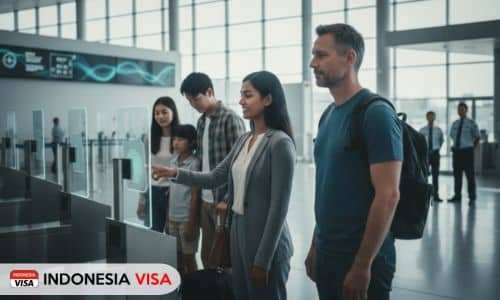
Some airports use biometric matching systems to verify travelers upon arrival or departure.
Is Biometric Data Secure?
Indonesia’s Directorate General of Immigration manages biometric storage within its centralized national database system. While no digital system is completely immune to cyber risks, immigration data is protected under Indonesian data governance regulations and internal security protocols.
Biometric data is:
- Stored digitally
- Linked to immigration ID records
- Used strictly for legal and administrative purposes
Foreign nationals do not have direct access to this database but may request clarification through official immigration channels.
Common Immigration Challenges Expats Face
While the biometric system is structured for efficiency, technical issues and administrative confusion still occur.
1. Payment Failed Indonesia Visa
One of the most frequent problems applicants face is a failed payment notification during online visa processing.
Possible causes include:
- Bank blocking international transactions
- Incorrect card details
- Payment gateway errors
- Browser compatibility issues
If you receive a “payment failed Indonesia visa” message:
- Verify card details
- Contact your bank
- Try a different browser
- Wait and retry after system downtime
Sometimes you may see “request inisiasi sof berhasil,” which indicates payment initiation succeeded, but confirmation may still be pending.
2. Indonesia Visa Website Not Working
Users occasionally report issues accessing:
- Molina immigration portal
- Online visa dashboard
- Status tracking system
High traffic, system maintenance, or browser cache problems are common causes. Always use the official immigration portal and avoid third-party imitation websites.
Understanding Visa Types and Biometric Relevance
Different visa categories interact differently with biometric requirements.
B1 Visa Indonesia
Commonly used for tourism and short social visits. While biometric data may be captured upon arrival, B1 visas are typically short-term and not convertible into long-term permits.
C1 Visa Indonesia
Often used for business visits or structured social activities. Biometric registration may occur during processing or entry. Understanding the difference between B1 and C1 visa Indonesia is important because neither category typically allows in-country conversion into KITAS.
Long-Term Residency and Biometrics
For expats planning extended stays, biometric records become more important.
ITAS (Limited Stay Permit)
This is the legal status granted for:
- Employment
- Investment
- Retirement
- Family reunification
The KITAS is the physical card representing ITAS.
KITAP (Permanent Stay Permit)
Permanent stay holders also undergo biometric registration to maintain identity continuity within the immigration database.
Each renewal cycle may include biometric confirmation to ensure record accuracy.
Special Visa Categories and Biometric Registration
Certain visa categories also involve biometric collection:
- Retirement visa (Silver Hair Visa)
- Investor KITAS
- Diaspora-related stay permits
- Ex-Indonesian citizen visa
- Volunteer and cultural visas
Regardless of category, once you enter long-term residency status, biometric registration becomes standard procedure.
What Expats Should Keep in Mind
- Biometrics are mandatory for most stay permits.
- Always attend scheduled immigration appointments.
- Ensure passport details match application records exactly.
- Keep copies of appointment confirmations.
- Do not ignore extension deadlines, even if the online system has errors.
Biometric records are tied to compliance history. Overstays or violations may remain in the system and affect future applications.
Practical Tips for Smooth Immigration Processing
- Apply under the correct visa category from the beginning.
- Avoid entering on short-term visas if long-term plans exist.
- Monitor visa expiry dates carefully.
- Keep all digital receipts and confirmation emails.
- Seek clarification early if facing technical issues.
Immigration regulations evolve, and digital systems are updated regularly.
Indonesia’s immigration system continues to modernize through centralized biometric data collection and digital visa management. For expatriates, understanding how biometric information is collected and stored is part of staying compliant and avoiding complications. While the system enhances security and administrative efficiency, navigating visa categories, payment portals, and regulatory updates can still be complex.
For foreign nationals who prefer structured guidance when applying for visas, extending KITAS, or planning long-term residency, professional advisory platforms such as INDONESIA VISA provide up-to-date regulatory assistance and immigration planning support aligned with current procedures. Proper planning, accurate documentation, and understanding biometric requirements will ensure a smooth and compliant stay in Indonesia.
PT. PROFESIONAL AGUNG SEJAHTERA (BALIPAS)
📍 Jl. Raya Kuta 127, Kuta 80361, Bali, Indonesia
📞 (0361) 759 044 | +62 818 918 444
✉️ info@indonesiavisas.id
🌐 https://indonesiavisas.id
Related Reading
- Airport vs Immigration Office Extensions: What’s the Legal Difference?
- Temporary Stay vs Permanent Stay Permits: Legal Distinctions Explained
- Immigration Compliance Checklist for Foreign Residents in Indonesia

- Global Citizen Indonesia: Policy, Benefits, Eligibility, Application, and Cost - August 27, 2026
- Indonesia Visa Free Countries List & Entry Rules 2026 - August 18, 2026
- Indonesia Digital Nomad Visa (E33G) Guide 2026 - August 17, 2026
