
Build Your Network as a Retiree in Indonesia
With its inviting tropical environment and rich cultural heritage, Indonesia has become a favorite destination for retirees.
In such a setting, creating a strong community helps retirees adapt, thrive, and maximize their retirement experience.
This article delves into the importance of networking specifically for retirees in Indonesia and offers practical strategies for cultivating a robust sense of community.
The Benefits of Networking for Retirees
Building a network is more than mingling; it’s about fostering meaningful relationships that provide emotional support, access to valuable resources, and opportunities for social engagement.
Emotional and Psychological Support
Networking offers retirees significant emotional and psychological benefits, often mitigating the challenges associated with this major life transition.
The loss of a structured work environment can lead to isolation, decreased purpose, and a diminished sense of identity, particularly for individuals whose self-worth is heavily tied to their professional roles.
Active participation in retiree networks, whether through formal organizations, volunteer groups, or informal social circles, combats these feelings by providing a sense of belonging and shared experience.
Engaging in conversations and activities with peers facing similar life changes fosters empathy and understanding, reducing loneliness and validating common anxieties about aging, health, and financial security.
Furthermore, networking opportunities can facilitate the development of new friendships and social connections, enriching retirees’ lives and providing a crucial support system for navigating the emotional complexities of retirement.
These networks’ shared wisdom and diverse perspectives can offer invaluable emotional support, allowing retirees to process their feelings, seek advice, and draw strength from the collective experience.
This sense of community can be particularly crucial for those experiencing bereavement, health challenges, or significant life changes during retirement, providing a buffer against feelings of isolation and fostering resilience in the face of adversity.
Access to Resources and Information
Networking offers retirees significant advantages in accessing crucial resources and information, often surpassing what’s readily available through traditional channels.
For instance, retirees seeking to navigate complex healthcare systems can leverage their networks to identify reputable specialists, understand insurance coverage intricacies, and discover hidden cost-saving strategies.
Similarly, those exploring new hobbies or volunteer opportunities can gain invaluable insights through connections with individuals already engaged in those activities; this might include discovering lesser-known programs, learning essential skills from experienced practitioners, or simply gaining access to supportive communities.
Furthermore, the financial landscape after retirement can be challenging to navigate, and networking provides access to personalized advice from financial planners, tax professionals, and other experts, often through referrals and introductions within a trusted network.
This personalized approach can lead to better-informed financial decisions, reducing anxiety and maximizing retirement income.
Beyond purely practical matters, access to information extends to social and emotional wellbeing. Networking facilitates connections with individuals facing similar life transitions, fostering a sense of community and reducing feelings of isolation, a common concern among retirees.
This shared experience creates opportunities for mutual support, the exchange of practical advice, and the development of fulfilling friendships, all enriching the post-retirement lifestyle significantly.
Opportunities for Social Engagement
Engaging in community activities as a retiree in Indonesia is a gratifying way to build connections and create a sense of purpose. Indonesia has a rich togetherness and mutual support culture, known as gotong royong.
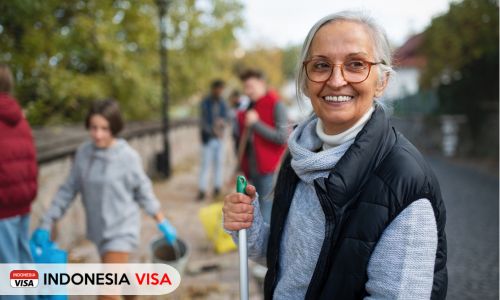
Participating in activities like local clean-up drives, charity events, or cultural festivals can make you an active member of the community and foster a spirit of camaraderie.
For instance, many expats and retirees join volunteer programs with NGOs, assist in educational initiatives, or contribute to conservation efforts in Indonesia’s beautiful natural landscapes.
These experiences help you give back and provide a meaningful way to bond with locals and fellow retirees who share similar values.
Additionally, community activities are a gateway to discovering hidden talents and interests.
Whether you join a Balinese dance class, participate in batik-making workshops, or support small businesses by attending local markets, these engagements enrich your retirement by keeping your mind active and your social calendar full.
Importantly, these activities also bridge cultural gaps, allowing you to exchange ideas, learn local traditions, and form friendships beyond transactional interactions.
The joy of participating in something larger than yourself can redefine what it means to retire, transforming your days into a vibrant and fulfilling chapter of life.
How to Start Your Networking
Starting to network in Indonesia as a retiree might feel daunting at first, but with the right approach, it’s easier than you think.
Indonesia’s warm and welcoming culture provides many opportunities to meet new people and build meaningful relationships.
Here are some practical ways to kickstart your networking journey and make the most of your time in this vibrant country.
- Attend local community events (Neighborhood Events)
- Join expat or retiree groups.
- Participate in cultural workshops or classes.
- Volunteer for local organizations or NGOs.
- Visit local markets and engage with vendors.
- Use social media to find networking events.
- Attend business or social mixers.
- Join sports or fitness groups.
- Take language or art classes.
- Connect with neighbors and community leaders.
Learn The Local Norm
Adapting to Indonesian culture requires sensitivity to local customs and traditions.
Greeting others politely with simple gestures or adhering to local norms builds trust and smoother interactions.
Respect for cultural etiquette fosters goodwill and deepens relationships across cultural boundaries.
Indonesia’s diverse cultural landscape allows retirees to bond with locals and fellow expatriates.
Strengthening relationships with locals enhances cultural understanding, while inclusivity among international retirees fosters camaraderie and a sense of belonging in one’s adoptive home.
Challenges
Language often poses challenges, but learning basic phrases in Bahasa Indonesia can significantly improve communication and create favorable impressions.
Translation resources or interpreters provide essential support for those still mastering the language to maintain interactions effectively.
Retirees living in a new cultural environment often must adjust to different social norms.
Open-mindedness is crucial in overcoming these hurdles and a willingness to embrace and understand new perspectives.
Flexibility and patience facilitate a smoother transition into the local way of life.
Conclusion
Building a community in Indonesia as a retiree is about more than just meeting people—it’s about creating a meaningful and enjoyable life.
The connections you make will support you, introduce you to new experiences, and help you enjoy your retirement to the fullest.
Whether you join in the spirit of gotong royong or connect with expat groups, every interaction adds value to your journey.
Take the first step, enjoy the process, and let Indonesia’s culture and community make this stage of life truly special.
Related Reading
- Afterwork Activities in Indonesia: A Guide for Expats
- 15 Non-Tech Jobs for Your Digital Nomad Lifestyle
- Working in Bali: A Comprehensive Guide for Expatriates

- Global Citizen Indonesia: Policy, Benefits, Eligibility, Application, and Cost - August 27, 2026
- Indonesia Visa Free Countries List & Entry Rules 2026 - August 18, 2026
- Indonesia Digital Nomad Visa (E33G) Guide 2026 - August 17, 2026
