
Indonesian Vehicle Docs Guide for Foreigners | BPKB STNK
Moving to Indonesia as a foreign resident brings many practical considerations, and understanding the local vehicle documentation system ranks high among them.Whether you’re planning to purchase a motorcycle for daily commuting in Jakarta’s bustling streets or considering buying a car for family transportation, grasping Indonesia’s vehicle documentation requirements will save you time, money, and potential legal complications.The Indonesian vehicle registration system operates under specific legal frameworks that every vehicle owner must comply with.Law No. 22 of 2009 concerning Road Traffic and Transportation establishes the foundation for vehicle documentation requirements, while Government Regulation No. 55 of 2012 provides detailed implementation guidelines for vehicle registration procedures. 
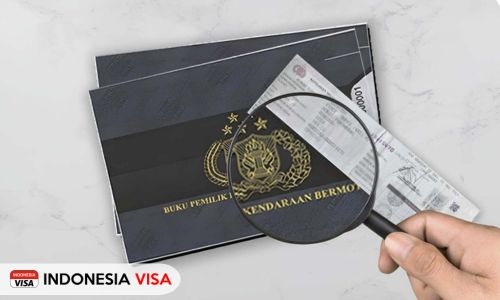
BPKB (Bukti Pemilik Kendaraan Bermotor)
The BPKB serves as the primary ownership certificate for any motor vehicle in Indonesia.Think of it as the “birth certificate” of your vehicle – this document proves legal ownership and contains comprehensive vehicle information including engine number, chassis number, and technical specifications.The National Police Traffic Corps (Korlantas Polri) issues this document through regional offices nationwide.For foreign residents, the BPKB becomes particularly significant during visa-related procedures.Immigration authorities often request proof of assets when processing certain visa applications or renewals, and a vehicle with proper BPKB documentation can serve as legitimate asset verification.This document also becomes essential if you plan to sell your vehicle or transfer ownership to another party.The BPKB contains critical information that affects your legal standing as a vehicle owner.Beyond basic vehicle specifications, it records any loans or financing arrangements, ownership history, and registration area.Foreign residents should pay special attention to the financing status – vehicles still under financing will have the BPKB held by the financing company until full payment completion.STNK (Surat Tanda Nomor Kendaraan)
While the BPKB stays safely stored at home, the STNK accompanies you during every journey.This vehicle registration certificate serves as your daily proof of legal vehicle operation and must be carried whenever driving.Traffic police regularly conduct vehicle document checks, and missing STNK can result in fines ranging from IDR 250,000 to IDR 500,000 according to Government Regulation No. 80 of 2012.The STNK requires annual renewal, and this process involves more than simply paying a fee.Vehicle owners must present the vehicle for physical inspection, ensuring the engine and chassis numbers match the registered information.This inspection process helps maintain vehicle safety standards and prevents illegal modifications that might compromise road safety.Foreign residents often struggle with STNK renewal deadlines, particularly when traveling abroad for extended periods.Late renewal incurs progressive penalties that increase monthly, making timely renewal both legally and financially beneficial.The renewal process typically takes 2-3 hours at regional Samsat offices, though some areas now offer online scheduling to reduce waiting times.Vehicle Tax
Indonesia’s vehicle tax system operates through two primary components: annual vehicle tax (Pajak Kendaraan Bermotor) and transfer fee (Bea Balik Nama).The annual tax calculation considers vehicle type, engine capacity, and regional regulations, with rates varying significantly between provinces.Jakarta implements higher tax rates compared to rural areas, reflecting the capital’s infrastructure demands and congestion management policies.A 1500cc sedan in Jakarta might incur annual taxes of IDR 2-3 million, while the same vehicle in Yogyakarta could cost IDR 1-1.5 million annually.These regional variations affect long-term vehicle ownership costs that foreign residents should consider when choosing residence locations.Vehicle tax payments occur during STNK renewal, but owners can pay in advance to avoid last-minute complications.Many foreign residents prefer paying annually rather than dealing with monthly installments, as this approach simplifies financial planning and reduces administrative visits to Samsat offices.SAMSAT
Samsat (Sistem Administrasi Manunggal Satu Atap) represents Indonesia’s integrated vehicle administration system, combining three government services under one roof: police vehicle registration, tax office vehicle taxation, and Jasa Raharja insurance.This one-stop approach streamlines vehicle-related administrative processes, though foreign residents often find the system overwhelming initially.Each Samsat office serves specific geographical areas, and vehicle owners must use their designated office for most transactions.This territorial system prevents administrative confusion but can create inconvenience for foreign residents who relocate frequently.Understanding your designated Samsat office location and operating hours prevents unnecessary trips and delays.Modern Samsat offices increasingly offer digital services, including online appointment scheduling and payment systems.Some locations provide express lanes for straightforward renewals, reducing processing time from hours to minutes.Foreign residents should inquire about these services, as language barriers often prevent accessing convenient options.Essential Documentation Checklist for Foreign Residents
When dealing with Indonesian vehicle documentation, foreign residents need specific documents beyond standard requirements:- Passport as primary identification
- Indonesian residence permit (ITAS or ITAP) to verify legal residence status
- Bank statements or proof of income for vehicle purchases
- Employment letters from Indonesian companies or investment documentation
- Comprehensive insurance documentation in Indonesian language
- Recent STNK copies for purchase verification
- Clear BPKB status confirmation
Legal Compliance and Common Pitfalls
Foreign residents frequently encounter complications due to misunderstanding Indonesian vehicle documentation requirements.One common mistake involves purchasing vehicles with outstanding loans or tax obligations.Always verify BPKB status and request recent STNK copies before finalizing any vehicle purchase.Another frequent issue involves documentation during visa renewals or changes.Immigration authorities sometimes request current vehicle documentation as proof of Indonesian ties or asset verification.Maintaining updated STNK and clear BPKB status supports smooth visa processing and demonstrates compliance with Indonesian regulations.Regional variations in interpretation and implementation can create confusion for foreign residents.What applies in Jakarta might differ slightly in Bali or Surabaya.When relocating between provinces, consult local Samsat offices about specific requirements or procedural differences to avoid complications.Planning Your Vehicle Documentation Strategy
Smart foreign residents develop systematic approaches to vehicle documentation management.Create digital copies of all documents and store them securely in cloud services accessible from anywhere.This backup system proves invaluable during emergencies or when original documents are temporarily unavailable.Consider appointing a trusted Indonesian friend or colleague as your documentation representative.Indonesian law allows authorized representatives to handle routine matters like STNK renewal, though this requires proper authorization letters and careful selection of representatives.Budget annually for vehicle-related costs including taxes, insurance, and potential penalties.Many foreign residents underestimate these ongoing expenses, particularly when vehicle values appreciate or tax rates change.Regular budget reviews help maintain financial compliance and prevent unexpected expenses.Moving Forward with Confidence
Understanding Indonesian vehicle documentation empowers foreign residents to navigate the system confidently and maintain legal compliance.While the initial learning curve seems steep, systematic approach and proper preparation make the process manageable and routine.Your success with Indonesian vehicle documentation directly impacts your overall experience as a foreign resident.Proper documentation supports visa applications, enables legitimate asset building, and provides peace of mind during daily transportation needs.For more detailed guidance on specific visa implications of vehicle ownership, explore our comprehensive guide on asset documentation for visa renewals.Additionally, our practical guide to Indonesian bureaucracy for expats provides broader context for navigating similar administrative challenges throughout your Indonesian residence journey.Legal References:- UU No. 22/2009 tentang Lalu Lintas dan Angkutan Jalan
- PP No. 55/2012 untuk prosedur registrasi kendaraan
- PP No. 80/2012 untuk sanksi dan denda
- Referensi Korlantas Polri dan sistem Samsat
Related Reading
- Buying a Car in Indonesia: A Comprehensive Guide 2025
- Investor Visa Tax Residency Implications in Indonesia
- Address Change Notification Rules for KITAS & KITAP Holders

Indonesia Visa Specialist at Bali PAS
Bali-based expert in Indonesian document translation and visa consulting, with over 15 years of experience helping clients with legal paperwork and immigration matters
Latest posts by Hariyono Suwardi (see all)
- Global Citizen Indonesia: Policy, Benefits, Eligibility, Application, and Cost - August 27, 2026
- Indonesia Visa Free Countries List & Entry Rules 2026 - August 18, 2026
- Indonesia Digital Nomad Visa (E33G) Guide 2026 - August 17, 2026
