

Best Indonesian Cities for Digital Nomads Beyond Bali (2025 Edition)
Visa code update: The B211A single-entry visit visa is no longer issued under that index. Single-entry visit visas are now classified as C1 for tourism and family visits, or C2 for business meetings, negotiations, and goods inspection.
Indonesia’s appeal for digital nomads continues to grow well beyond Bali. In 2025, remote professionals are increasingly exploring cities across Java and nearby islands that offer reliable internet, affordable living, vibrant communities, and diverse lifestyles without the congestion and rising costs of Bali’s most popular areas.
Supported by evolving visa pathways such as the Remote Worker Visa (E33G), extended B211A Visit Visas, and streamlined stay permits, Indonesia now provides legal, flexible options for long-term remote work. With the E33G allowing up to one year of residency renewable and exempt from Indonesian tax on foreign-sourced income many cities have emerged as practical, productive, and inspiring bases for location-independent professionals.
Below are some of the best Indonesian cities for digital nomads in 2025 that deserve serious consideration.
Jakarta
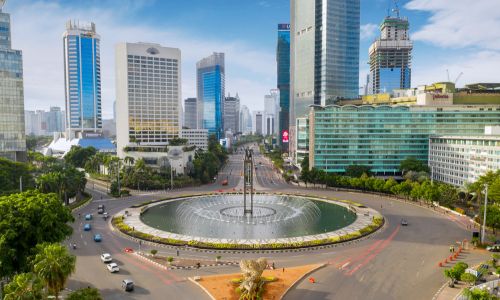
As Indonesia’s capital, Jakarta is the country’s most developed hub for business-oriented digital nomads. High-speed fiber internet, international-standard coworking spaces, and constant networking events make it ideal for professionals working with global clients or regional teams.
Monthly living costs range between USD 800–1,600, depending on location and lifestyle. Central apartments typically cost USD 500–800, while local meals remain affordable at under USD 5. Ride-hailing apps help navigate the city efficiently, and proximity to an international airport simplifies regional travel. Jakarta suits nomads who thrive in fast-paced, corporate environments with strong professional exposure.
Yogyakarta

Yogyakarta often called Jogja offers a more relaxed pace paired with deep cultural richness. Known for its artistic heritage, historic temples such as Borobudur and Prambanan, and strong creative communities, the city attracts writers, designers, educators, and long-term remote workers seeking inspiration and focus.
Living costs remain modest at USD 800–1,200 per month, with accommodation starting around USD 300. Cafes frequently double as informal workspaces, while local coworking communities continue to grow. Jogja’s slower rhythm, combined with reliable connectivity, creates an environment well suited to sustained creative productivity.
Lombok

Lombok has positioned itself as a quieter, more nature-focused alternative to Bali. Areas such as Kuta Lombok and Senggigi now feature improving internet infrastructure, beachside cafes, and an expanding remote-work community.
Monthly expenses typically range from USD 1,000–1,500, with villas or apartments priced between USD 400–800. Surfing, hiking, and uncrowded beaches offer natural balance to work routines, making Lombok appealing to nomads who prioritize wellness and outdoor living over urban intensity.
Bandung
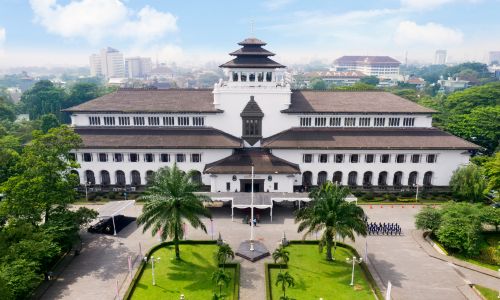
Located in the highlands of West Java, Bandung offers a cooler climate, strong academic influence, and a growing tech and creative scene. Often referred to as the “Paris of Java,” the city blends colonial architecture with modern cafés, coworking spaces, and weekend escapes to tea plantations and volcanoes.
Digital nomads can live comfortably on USD 700–1,200 per month, with housing around USD 400. Bandung is ideal for those seeking productivity in a refreshing environment without sacrificing urban conveniences.
Malang

Malang remains one of Java’s most underrated digital nomad destinations. With its mild climate, colorful neighborhoods, and proximity to Mount Bromo, it appeals to nature lovers and remote workers who value calm and affordability.
Monthly living costs average USD 800–1,200, with apartments starting as low as USD 300. Cozy cafés, slower daily rhythms, and nearby adventure spots make Malang a strong option for long-term stays focused on deep work and exploration.
Common Considerations for Digital Nomads in Indonesia
Choosing the right city requires more than aesthetics. Several practical factors shape the remote work experience in Indonesia:
Internet reliability is strongest in major urban areas such as Jakarta and Bandung
Living costs vary widely, with Yogyakarta and Malang remaining among the most affordable
Cultural immersion enhances long-term satisfaction and motivation
Visa compliance is essential for extended stays beyond tourist allowances
Coworking and community events play a major role in sustaining productivity
Climate preferences differ significantly between coastal and highland cities
Transportation solutions vary, from scooters to app-based ride services
Healthcare access is strongest in larger cities with private hospitals
By aligning lifestyle preferences with infrastructure and legal stay options, digital nomads can build a sustainable base in Indonesia.
Visa Options Supporting Remote Work in 2025
Indonesia’s visa ecosystem has become more accommodating for remote professionals. The E33G Remote Worker Visa requires proof of foreign income, remote employment, and health insurance, while allowing year-long stays without local tax obligations on overseas earnings. Shorter-term options like e-VoA extensions or B211A Visit Visas remain useful for testing locations before committing to longer residencies.
With digital application systems improving and clearer eligibility guidelines in place, planning ahead ensures smoother transitions between cities and visa types.
Indonesia’s digital nomad landscape in 2025 extends far beyond Bali. From Jakarta’s corporate energy to Yogyakarta’s creative calm, Lombok’s natural serenity, Bandung’s cool innovation, and Malang’s affordable tranquility, remote professionals now have diverse, well-supported options across the archipelago.
Long-term success depends not only on choosing the right city, but also on securing the correct visa pathway from the start. For digital nomads planning extended stays through remote worker visas, visit visas, or transitions toward investor or long-term residency options, working with experienced visa specialists helps ensure compliance, efficiency, and peace of mind. Indonesia Visa supports remote professionals nationwide, managing applications, extensions, and sponsorship processes so you can focus fully on work, lifestyle, and exploration in Indonesia.
Related Reading
- How to Set Up a Co-Working Space Membership in Indonesia: Costs & Benefits
- Cost of Living in Bali vs. Jakarta: What Expats Should Expect in 2025
- The Ultimate Guide to Remote Work Visas: Indonesia vs. Other Popular Destinations

- Global Citizen Indonesia: Policy, Benefits, Eligibility, Application, and Cost - August 27, 2026
- Indonesia Visa Free Countries List & Entry Rules 2026 - August 18, 2026
- Indonesia Digital Nomad Visa (E33G) Guide 2026 - August 17, 2026
