

Foreigners Can Obtain Electronic ID Cards: Key Differences for Expats
Introduction to Electronic ID Cards for Foreigners
Obtaining an electronic ID card (KTP Elektronik) is no longer exclusive to Indonesian citizens. Recent legislation has opened the door for foreigners who reside in Indonesia, including expatriates and foreign workers, to acquire this crucial identification document. For expats, understanding the key differences between obtaining and using an electronic ID card and the traditional identification system is essential.Requirements for Foreigners
Foreigners must fulfil specific requirements to become eligible for an electronic ID card. This process aims to streamline identification and ensure compliance with local regulations.Some fundamental requirements are:- Possess a valid residence permit (KITAS or KITAP)
- Have a taxpayer identification number (NPWP) if applicable
- Present necessary personal documents such as a passport and proof of residence
- Attend the registration process at a local population office or designated authority
Key Differences Between ‘Foreigners’ KTP and Citizens’ KTP
While Indonesian citizens and foreigners can obtain electronic ID cards, important differences exist. This aspect reflects each group’s varying rights and responsibilities in Indonesian society.Types of ID Cards
Indonesian citizens receive a KTP, which provides full civil rights, voting, and other civic duties. In contrast, the electronic ID card for foreigners, often called KTP WNA (Warga Negara Asing), operates under different parameters.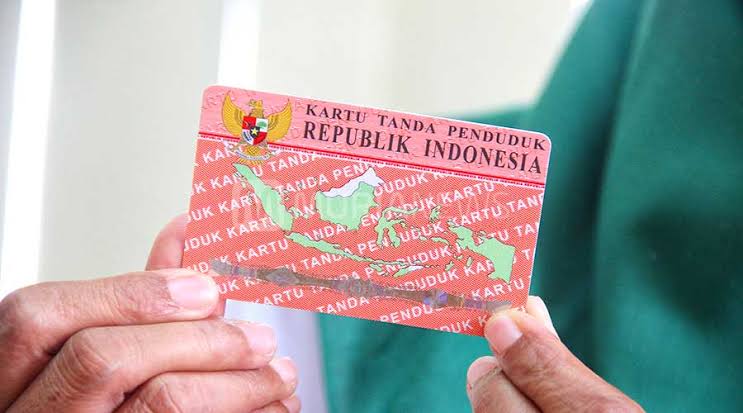
Limitations of KTP for Foreigners
Foreigners’ electronic ID cards come with specific limitations. Though they serve as a valid identification document, the KTP WNA does not grant the same rights as its Indonesian counterpart.- Does not confer voting rights in Indonesian elections
- Limits eligibility for certain government services
- Serves primarily for identification purposes and official verification
The Application Process for Foreigners
Obtaining an electronic ID card involves several steps that foreign residents must follow.- Visit the local population office or designated authority In Indonesia, expats must go to the local authority where they reside. They must present all required documentation and ensure everything is in order.
- Submission of documents Once at the office, expats will need to present their identification documents, proof of residence, and other necessary forms.
- Biometric data capture Like Indonesian citizens, foreigners must provide biometric data during application. This requirement normally includes fingerprints and a digital photograph.
- Receive the electronic ID Card After completing all steps, foreigners will receive their electronic ID card, which they can use for identification purposes.
Importance of the Electronic ID Card
For foreigners residing in Indonesia, obtaining an electronic ID card is significant for several reasons.Firstly, it facilitates smoother transactions within the country, such as interacting with banks, housing services, and other official procedures. A valid identification card simplifies bureaucratic processes, making life easier for expatriates.Secondly, it provides a sense of formal recognition within the Indonesian system, aligning foreign nationals more closely with local regulations.Final Thoughts on Acquiring a KTP as a Foreigner
Navigating the landscape of immigration and identification laws in Indonesia can appear daunting for foreigners. However, acquiring an electronic ID card is a significant step toward integrating into Indonesian society. This document offers practical benefits and reinforces a foreigner’s status within the nation.Encouragement to start the application process as soon as possible remains a priority for many expats, ensuring they can take advantage of this identification opportunity and reap the benefits of living in Indonesia with a recognized document. This new chapter in identification serves as both a tool and testament to the nation’s inclusivity and progressive stance on residence rights.Related Reading
- Immigration & Dukcapil Data Synchronization: What Expats Must Know
- Convert E31A Spouse Visa to KITAS to Open a Bank Account?
- Family ITAS: Everything You Need to Know About Family Visas and Residence Permits in Bali

Indonesia Visa Specialist at Bali PAS
Bali-based expert in Indonesian document translation and visa consulting, with over 15 years of experience helping clients with legal paperwork and immigration matters
Latest posts by Hariyono Suwardi (see all)
- Global Citizen Indonesia: Policy, Benefits, Eligibility, Application, and Cost - August 27, 2026
- Indonesia Visa Free Countries List & Entry Rules 2026 - August 18, 2026
- Indonesia Digital Nomad Visa (E33G) Guide 2026 - August 17, 2026
